
Understand the difficulty
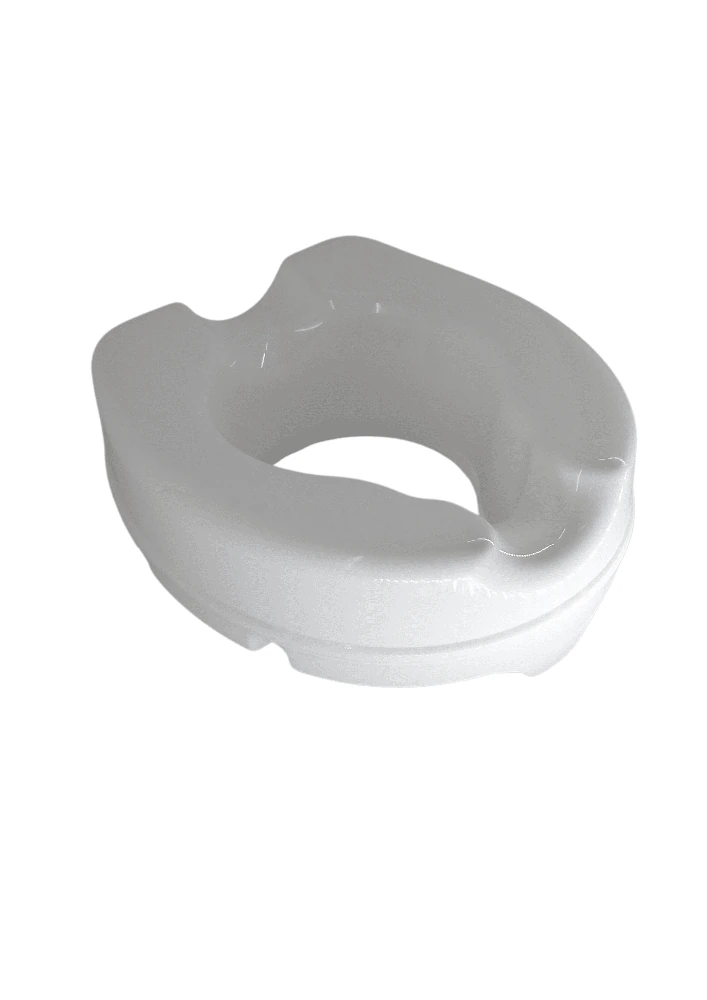
Is the problem lowering down, standing up, balance or managing clothing? Describe it to an occupational therapist. A raised seat addresses one part of the routine and may not be the only support needed.
Write down the measurements
Record the toilet shape, seat opening and available space. Confirm the added height, weight limit and attachment method for the exact model. Ask whether the original seat needs to be removed.
Follow recovery instructions
If your parent has recently had surgery, use their own rehabilitation guidance. Do not choose a seat height based only on a friend’s recovery experience.
Check the fitted seat
Follow the manufacturer’s instructions and check that the unit is secure before use. If it loosens, moves or is damaged, stop using it and ask for help.
From understanding to a practical next step
Use these category guides to compare options and questions before selecting products.
Use the home-care checklistKeep exploring
- Bathroom Safety for an Elderly Parent
- Shower Chair vs Shower Stool: What Is the Difference?
- Carlyn’s guide to caring for a parent at home
- Care bundles for common home-care situations
Further reading
General educational references. Local services and individual care plans may differ.