

Caring for an elderly parent who has started having bladder or bowel accidents can feel uncomfortable at first.
Mom may be embarrassed.
Dad may try to hide it.
And family members may simply not know what products to buy or how often they should be changed.
The first thing to remember is this:
Incontinence is something your parent is experiencing. It should never become how we define them.
Good incontinence care is about much more than putting on a pad or disposable underwear. It is about keeping the person clean, comfortable, dry and dignified, while also trying to understand why accidents are happening.
What Do We Mean by Incontinence?
In simple terms, incontinence means that a person sometimes cannot control their bladder or bowel movements.
It may mean a small urine leak when standing up, not reaching the toilet in time, wetting during the night, or losing control of the bladder or bowel completely.
Different people need different levels of help.
Don't automatically assume that because Mom had one accident she now needs to wear a nappy all day.
Start by understanding what is actually happening.
Don't Ignore a Sudden Change
If your parent has always managed the toilet independently and suddenly starts having accidents, don't simply put them into disposable underwear and assume it is part of getting older.
There may be a reason for the change.
For example, perhaps they are struggling to walk quickly enough to the bathroom, have become confused, are taking new medication, are constipated, are drinking differently or are unwell.
A sudden or unexplained change should be discussed with a healthcare professional, particularly if there is pain, burning, blood, fever, new confusion or your parent seems generally unwell.
Start With the Toilet, Not the Pad
Before deciding that your parent needs full-time incontinence products, ask:
Can they actually reach the toilet?
Sometimes the bladder isn't the main problem.
The toilet may simply be too far away.
Mom may struggle to get out of bed quickly.
Dad may take too long to undo buttons or a belt.
The toilet may be too low for them to sit and stand easily.
At night, poor lighting may make them frightened to walk to the bathroom.
Simple changes can help.
Consider easier clothing, a raised toilet seat, grab rails, a bedside commode, better lighting or regular reminders to use the toilet.
Create a Toilet Routine
Don't always wait until Mom or Dad says:
“I need the toilet now!”
By then, there may not be enough time.
A simple routine can help.
Encourage toilet visits at regular times, such as after waking, before or after meals, before leaving the house and before bed.
You may begin noticing a pattern.
Perhaps Dad frequently needs the toilet shortly after breakfast.
Maybe Mom usually needs help during the night.
Once you understand their routine, you can plan around it.
Choosing the Right Product
There are many different products available, and families often buy whatever they see first.
The biggest or thickest product isn't automatically the best one.
Depending on your parent's needs, they may use:
- Small bladder-control pads
- Larger pads
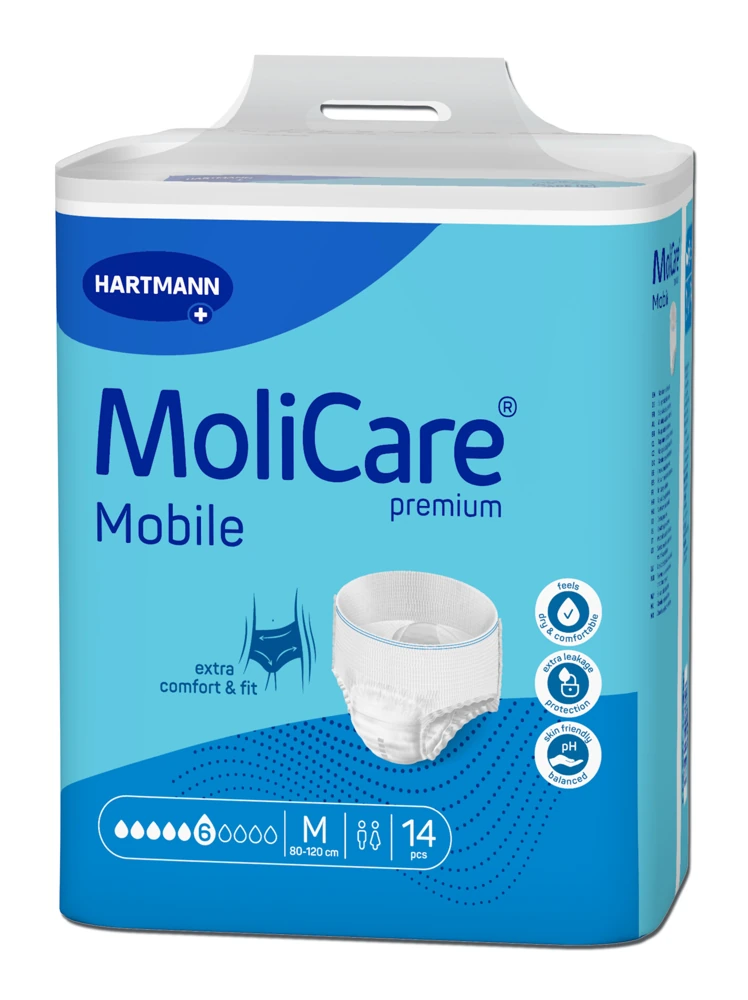
- Pull-up disposable underwear
- More absorbent products for heavier leakage
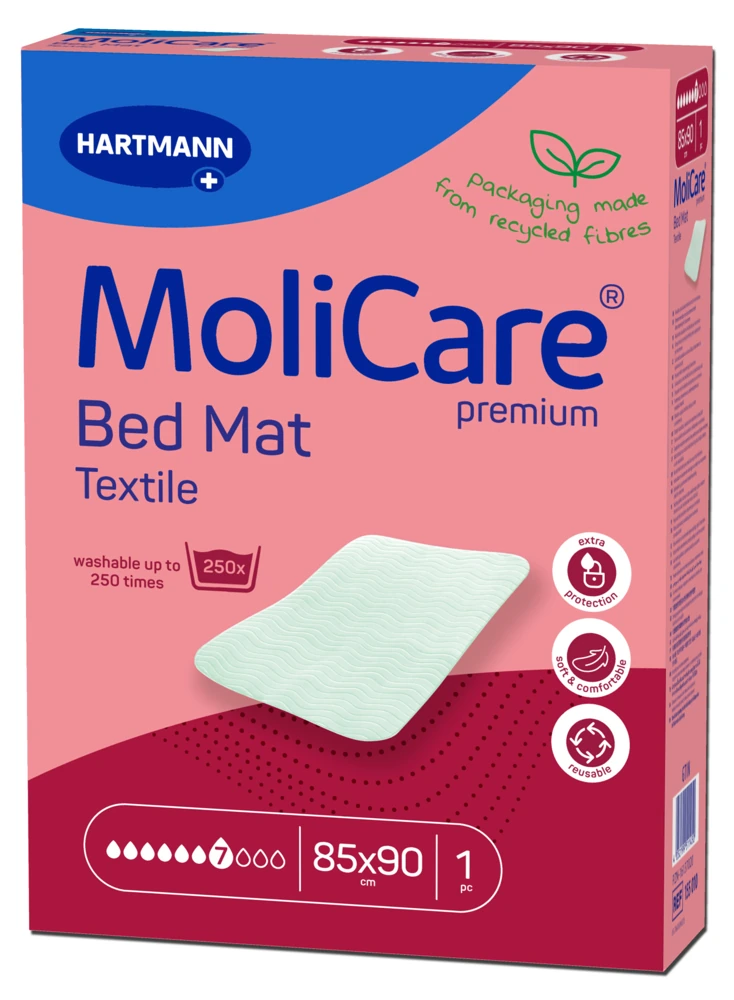
- Bed or chair protectors
- Waterproof mattress protection
The product should fit comfortably and provide enough protection for the person's actual needs.
A poorly fitting product can leak, rub against the skin and make walking uncomfortable.
If you are unsure, ask a knowledgeable supplier, nurse or other healthcare professional for advice.
Changing Regularly Matters
Don't leave a wet or soiled product on someone simply because it can absorb more.
The purpose of an absorbent product is to manage an accident—not to keep urine or stool against the skin for hours.
Check regularly and change when necessary.
Bowel accidents should be attended to as soon as possible.
This isn't only about smell or cleanliness.
Older skin can be delicate, and prolonged moisture can cause redness, soreness and eventually skin damage.
Protect the Skin
Good skin care is one of the most important parts of incontinence care.
After an accident, gently clean the area.
Avoid aggressive rubbing or scrubbing.
Pat the skin dry rather than rubbing it.
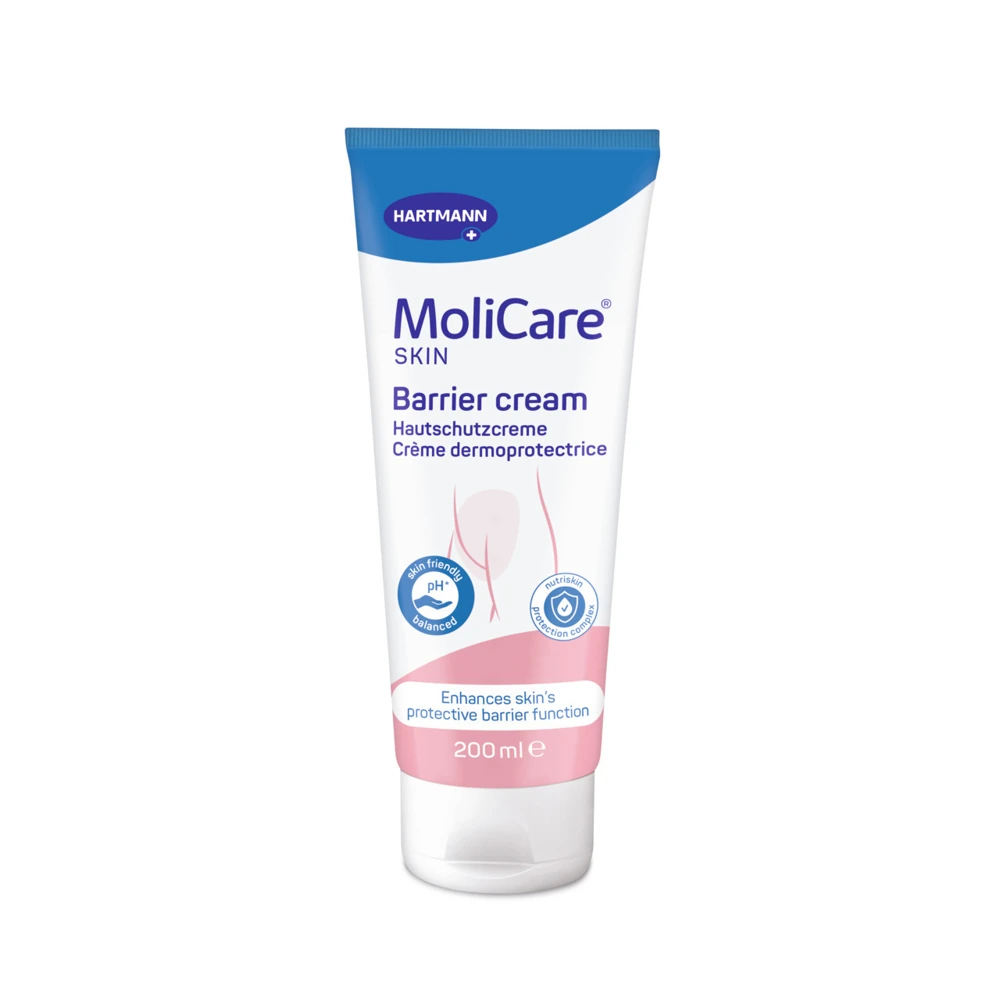
Depending on your parent's needs, a suitable barrier product may help protect the skin from repeated moisture.
Every time you help with personal care, take a moment to look at the skin.
Watch for:
- Redness
- Soreness
- Broken skin
- Rashes
- Swelling
- Areas that remain red
- Complaints of burning or pain
If the skin is becoming damaged or isn't improving, get professional advice.
Don't Restrict Drinks Just to Prevent Accidents
Families sometimes think:
“If Dad drinks less, he won't wet himself as much.”
That can create other problems.
Unless a healthcare professional has specifically told your parent to limit fluids, don't significantly reduce their drinks simply to make incontinence easier to manage.
Instead, make toileting easier and use the appropriate products.
If certain drinks seem to make the problem worse, discuss this with a healthcare professional rather than making major changes yourself.
Make Night-Time Easier
Night-time accidents can be exhausting for everyone.
Prepare before going to bed.
Make sure the pathway to the toilet is clear and well lit.
If walking to the bathroom isn't safe, consider whether a bedside commode would be more appropriate.
Use a waterproof mattress protector and, when useful, an absorbent bed protector.
Keep a small night-time care basket nearby containing clean products, wipes or cleaning supplies, gloves, a change of clothing and a bag for soiled items.
When an accident happens at 2 a.m., having everything ready makes the situation much calmer.
Protect Their Dignity
Imagine needing your daughter, son or partner to help you clean yourself.
It can be incredibly difficult.
Talk to your parent respectfully.
Don't announce accidents to other family members.
Don't joke about smells.
Don't scold them for wetting clothing or bedding.
Don't speak about them as though they aren't in the room.
Instead of:
“You wet yourself again.”
Try:
“It's okay, let's get you comfortable and changed.”
Those few words can completely change how the person experiences the situation.
Keep a Simple Record When Problems Continue
If accidents are becoming frequent, keeping a simple record for a few days can be very helpful.
Write down:
- When they use the toilet
- When accidents happen
- Whether it was urine or bowel-related
- What they were doing beforehand
- What and roughly how much they drank
- Whether they complained of pain or discomfort
- Any unusual changes
Patterns may become obvious.
It also gives useful information to share with a healthcare professional.
Keep an Incontinence Care Basket Ready
Having supplies together makes everyday care much easier.
Depending on your parent's needs, consider keeping:
- Disposable pads or underwear
- Gloves
- Gentle cleaning products
- Washcloths
- Towels
- Skin-protection products
- Bed or chair protectors
- Waterproof mattress protection
- Clean underwear and clothing
- Bags for soiled products
You don't need to buy everything at once.
Start with what your parent actually needs and adjust as you learn their routine.
Remember: Continence Care Is Still Personal Care
The goal isn't simply:
“Keep Mom dry.”
The bigger goal is to help Mom continue going to the toilet herself for as long as she safely can.
Sometimes that means changing the bathroom.
Sometimes it means easier clothing.
Sometimes it means reminding her to use the toilet.
Sometimes it means helping her stand.
And sometimes it means accepting that she now needs an incontinence product.
Whatever level of assistance is required, keep the same principles:
Keep them clean.
Keep them dry.
Protect their skin.
Encourage independence.
Respect their privacy.
Never make them feel ashamed.
Because needing help with the toilet doesn't take away someone's dignity.
How we provide that help can either protect it—or take it away.
This guide supports everyday family care. It does not replace an individual assessment, diagnosis, treatment or advice from your parent’s healthcare team. For urgent concerns, seek medical help.